The National Petroleum Institute (INP) and Norwegian Offshore Directorate (NOD) held a round of technical and institutional meetings to align operational aspects of the implementation of the new bilateral cooperation programme Energy for Development (EFD), programme launched in 2023, with the aim of establishing a results-oriented roadmap that consolidates regulatory excellence and monitors international requirements in the supervision of upstream. The meeting round involved managers from the Ministry of Mineral Resources and Energy (MIREME) of the Ministry of Agriculture, Environment and Fisheries (MAAP).
Mozambique–Norway cooperation in the energy sector, over 50 years old, has been crucial to strengthening institutions, increasing technical capacity and consolidating good governance practices throughout the extractive sector value chain. The transition from the previous Oil for Development (OFD) to Energy for Development (EFD) reflects the evolution of the global context, with greater emphasis on sustainability, decarbonisation and integration of renewable energy solutions.
In the context of this new approach, and taking into account the specific features of the Mozambican oil sector, a technical priority with direct impact on the upstream, in particular the reduction of emissions to the atmosphere of Greenhouse Gases (GEE), focusing on methane mitigation and improving environmental compliance in oil operations.
As regulator of upstream, the INP plans to benefit from technical support from NOD, HAVTIL, NEA and EFD to develop and improve regulatory instruments, monitoring procedures, reporting and verification and performance-oriented surveillance practices, with special emphasis on environmental management, methane reduction and strengthening operational security. This cooperation strengthens the national ambition to align development of the oil sector with climate targets and sustainability commitments, contributing to the country's path towards carbon neutrality by 2050.
Dércio Monteiro, Director of Surveillance and Security at the INP, said that meetings have been productive and marked by the opening of both sides for a roadmap that will strengthen the country in terms of institutional development, resource management and energy transition. It also stressed that, although the new scheme favours the environmental component, including solutions such as Carbon Capture and Storage (CCS), the EFD is aligned with the guidelines of Mozambique's Just Energy Transition National Strategy, a guide instrument that sets targets and priorities to enable investments to achieve the country's carbon neutrality.
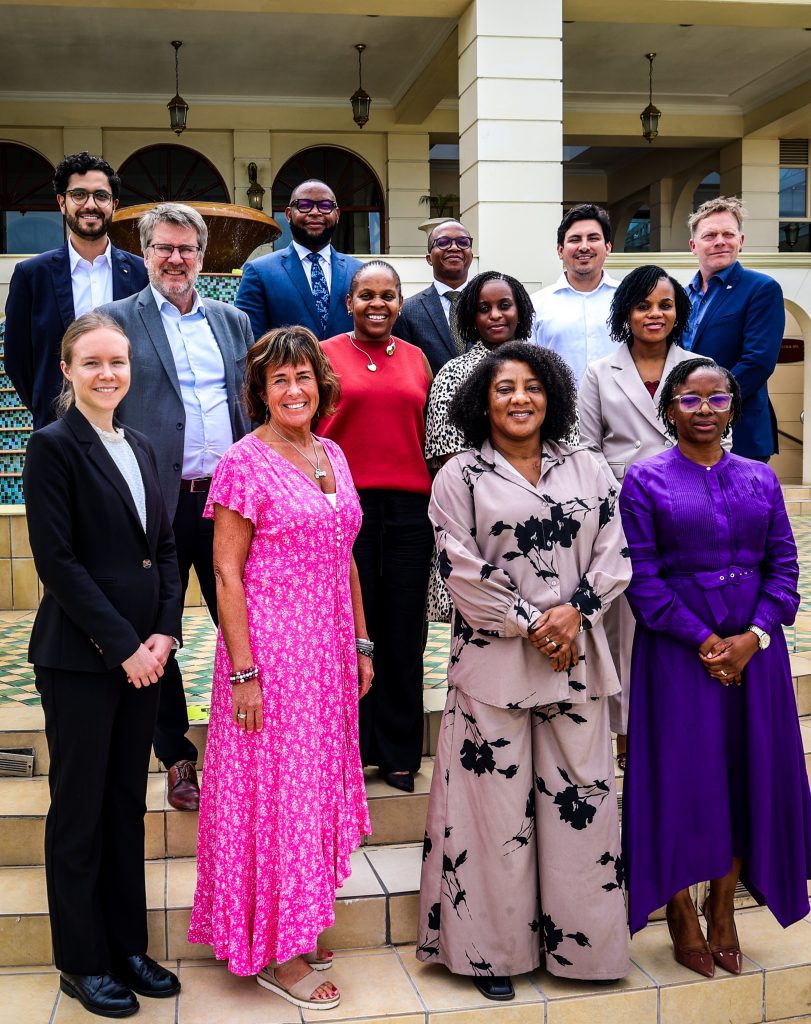
One of the main points under discussion is how cooperation can support Mozambique to face financial challenges indirectly through governance gains. According to NOD, clear, predictable and transparent legal frameworks, coupled with effective regulation, reduce risks, improve confidence and make the environment more attractive for private investment and support from international partners.
Starting in 2025, the EfD will have an initial duration of two years (until 2027), it can be extended, and it should produce immediate gains for the regulator: technical training of the INP in regulatory excellence, supervision of the IMP. upstream, resource management and incorporation of decarbonisation targets and practices in the regulation and development of the oil sector.
With this alignment, the INP reaffirms its commitment to regulate and monitor oil operations on the basis of international standards, ensuring that hydrocarbon research and production in Mozambique takes place with greater transparency, security and environmental responsibility, and that natural resources continue to contribute to the economic and social development of the country.